MS DHONI

Hailing from Jharkhand, Mahendra Singh Dhoni’s rise through the ranks into international cricket is a tale of rebellion, extraordinary merit, perseverance, and, most of all, belief. After being scouted on the whims of his school P.E. teacher as a wicketkeeper, Dhoni created whispers in the cricketing circles of Ranchi – a teenaged boy with no measurable upper-body strength clearing boundaries against some of the best fast bowlers of the district. However, the system failed him as he found it difficult to make the cut against candidates of the more affluent A-tier states. Consequently, in a desperate move, he joined the Railways Ranji team and started to work as a ticket collector at the Kharagpur railway station to make ends meet.
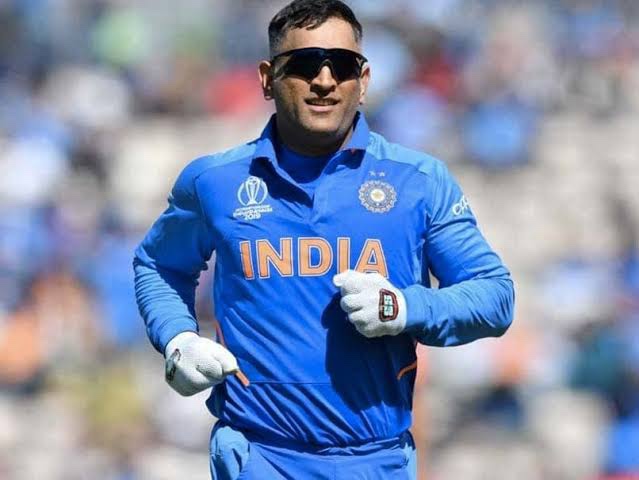
MS DHONI became captain in 2007

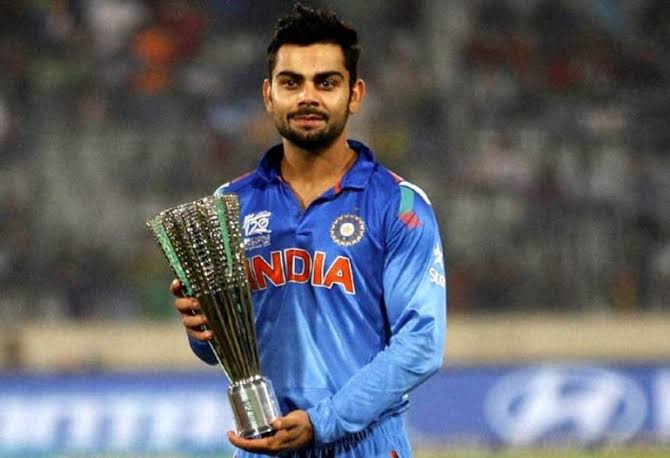
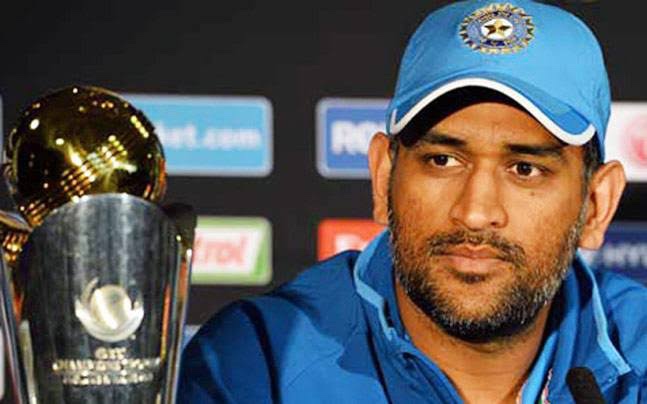
Dhoni used to captain the Indian national team in limited-overs formats from 2007 to 2016 and in Test cricket from 2008 to 2014. He has led India to 2007 ICC World Twenty20 victory, the 2010 and 2016 Asia Cup victories, the 2011 ICC Cricket World Cup victory and the 2013 ICC Champions Trophy victory. He is also the present captain of Chennai super kings in the Indian Premier League.

Dhoni is wicket-keeper batsman and bats in the middle order. Dhoni is one of the few cricketers with more than 10,000 runs in ODIs. Experts deem Dhoni to be one of the best “finishers” in limited-overs formats in World Cricket. Many also regarded him as one of the best wicket-keepers in modern limited-overs international cricket.
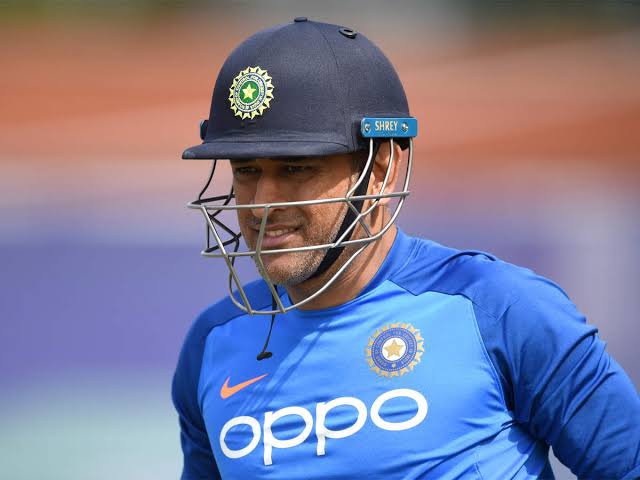
Since then, Mahendra Singh Dhoni has come a long way in cricket. His sterling performances with the bat have rescued India from many a tight situation. In his illustrious career, Dhoni has played 90 Tests scoring 4876 runs with his highest being 224 against Australia at Chennai in 2013. His amazing statistics behind the stumps include 256 catches and 38 stumpings.
MS DHONI

Virat kohli

Description

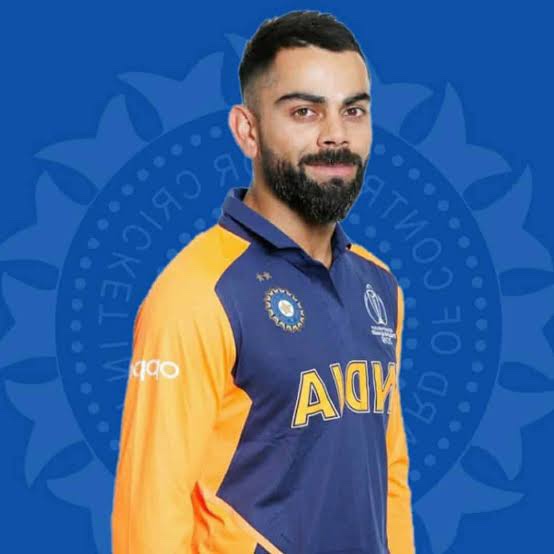
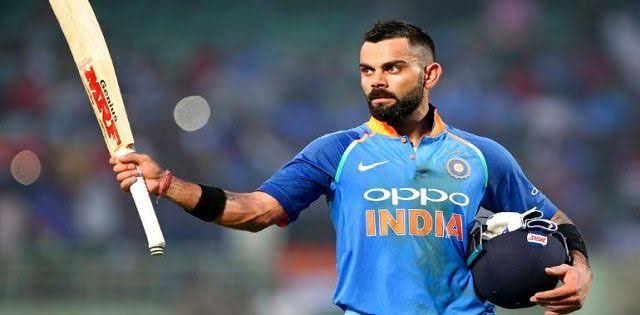
Virat Kohli is an Indian cricketer who currently captains the India national team. A right-handed top-order batsman, Kohli is regarded as one of the best batsmen in the world. He plays for Royal Challengers Bangalore in the Indian Premier League, and has been the team’s captain since 2013.

Indian team captain Virat kohli


The 20-year-old continued to impress for Delhi and dominated attacks, clearly demonstrating that he belonged at a much higher level; that junior cricket was beneath his standards. Kohli then traveled to Australia in 2009 for the Emerging players tournament and stamped his authority all over the bowling attacks. He added ‘big-match temperament’ to his résumé too, lacing a fluent hundred in the final against South Africa, and guiding his team to a clinical victory. The young prodigy, barely old enough to receive his man-of-the-match champagne, ended the tournament with 398 runs from 7 outings with two centuries and two fifties, ensuring that he remained fresh in the selectors’ minds.

Virat kohli

His ODI average in the 2017/18 ODI season has been a Bradmanesque 97.5, and he has amassed an unreal 19 hundreds since the 2015 World Cup. After the low of the World Cup ouster in 2015, Kohli leads the Indian side this time, with perhaps the strongest ODI team in the world, and as this generation’s greatest ODI batsman. It became a no-brainer when he was asked to captain the Bangalore franchise on a permanent basis from 2012 and it also translated into more consistency with the bat. Kohli soon turned into a fan favourite even as runs flowed from his bat. Circa, 2016 – the India and RCB captain blasted 973 runs – the most by any player in the history of the game and it included four hundreds – the most by a batsman in a single edition. Alas, all this didn’t translate into a title triumph – one that has kept Kohli and Bangalore waiting

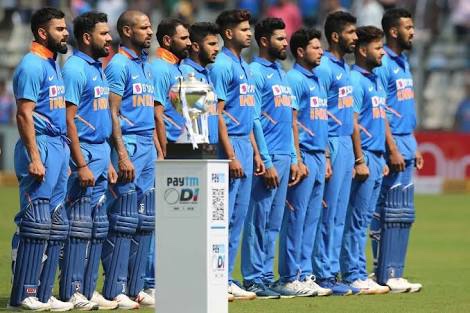
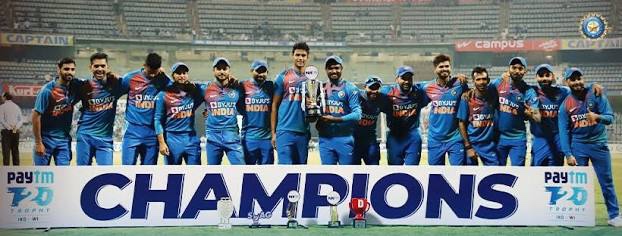
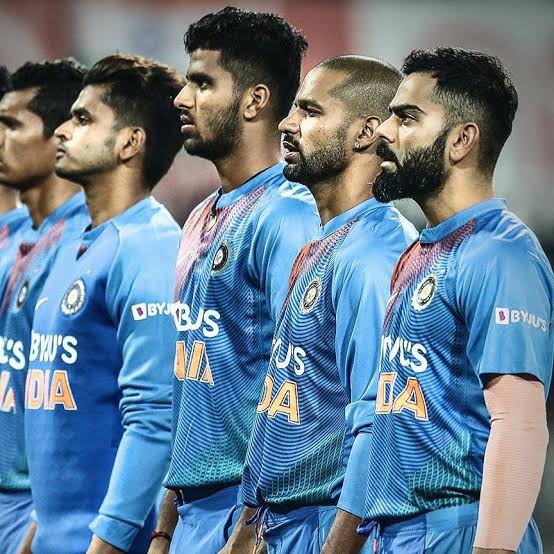
Indian cricket team.

Cricket was introduced to India by European merchant sailors in the 18th century, and the first cricket club was established in 1792. India’s national cricket team did not play its first Test match until 25 June 1932 at Lord’s, becoming the sixth team to be granted test cricket status. From 1932 India had to wait until 1952, almost 20 years for its first Test victory. In its first fifty years of international cricket, India was one of the weaker teams, winning only 35 of the first 196 Test matches it played. The team, however, gained strength in the 1970s with the emergence of players such as batsmen.

Indian cricket team

Sachin Tendulkar is easily the batsman with the most national achievements. He holds the record of most appearances in both Tests and ODIs, most runs in both Tests and ODIs and most centuries in tests and ODIs. The highest score by an Indian is 309, scored by Virender Sehwag, India’s only The team’s highest score ever was a memorable 705 against Australia 2004, while it’s lowest was an embarrassing 42 against England in 1974. In ODIs, the team’s highest was 376 against New Zealand in 1999.

India also has very strong bowling figures, with spin bowler Anil Kumble being a member of the elite group of 4 bowlers who have taken 500 wickets. Kumble is also one of the few bowlers who have taken all 10-wickets in an innings. Many Indian bowling records are held by Irfan Pathan, a paceman who is relatively new to the Indian line-up. Irfan Pathan is currently ranked within the top five all-rounders in both Test matches and One-day Internationals in the LG ICC Player Rankings and is rising as a much needed all rounder in the Indian team. India’s strength has traditionally been with its spin bowlers, which explains the records achieved by Anil Kumble and Bishen Singh Bedi.

Many of the Indian cricket team’s records are also world records, for example

Sachin Tendulkar’s century tally and run tally. Newcomes Mahendra Singh Dhoni’s record for highest score by a wicketkeeper (183 not out) is also a World Record for any wicketkeeper. Roy and Mankad’s first wicket partnership of 413 is a world record for the first wicket, although it was close to being broken by Virender Sehwag and Rahul Dravid in 2006. The Indian cricket team also has the record of being the team with the largest number of consecutive, successful run-chases in ODIs (17), a streak which ended recently in the second ODI of the series against the West Indies in May.

M HUZAIF ALI KHAN

20191CSE0295

Pc08